Rhythms in the Home
by John DeJak
Each year at this time, I am reminded of the song “It’s Beginning to Look a Lot Like Christmas.” While it is not yet Christmas (even though the kids have no doubt begun to count the days!), I think that many—if not the majority—of parents can relate to the line: “And Mom and Dad can hardly wait for school to start again!” I’m not sure about you, dear reader, but for me the beginning of the academic year is always welcome. Certainly the summer brings with it much needed rest and relaxation and the opportunity for a family vacation and spending more leisure time together. The annual coming of the school year, however, causes us to reflect a bit on the rhythms of life and how we can help our families and children see in it the creative design of God and the joy that it elicits.

It is an undeniable fact that we can all see rhythms in our lives. The most obvious are those of the nature. Each season has a different aspect or feature that makes it unique from another, and yet totally necessary for the coming of the next. The old rhyme (which is itself a poetic rhythm) tells us that “April showers bring May flowers.” (Mayflowers then bring Pilgrims…but I’m skipping ahead a bit here.) This simple poem teaches a fundamental truth about nature to children; what’s even better is that children (and we!) can observe these things and see the truth of them. Indeed, this poetic knowledge leads them to an understanding of the way that God has creatively formed the universe. The buds of spring and the conditions required for its growth find their full flowering in the warmer climes of summer. Likewise, as the conditions change and cooler weather brings fall, it’s time to get to the work of the harvest and to get the storehouses ready for the bleak and cold winter months.
Seeing the rhythms of nature, the Roman Church in her wisdom arranges her liturgical cycle in a similar way. After the June solstice, the days begin to get darker until December—the darkest time of the year. Is it any wonder then, as the Prologue to St. John’s Gospel relates, the Light of the World shone in the darkness? Physically, we see this in the quiet of Christmas night. Similarly, Lent begins in the doldrums of a cold winter, testing our patience and endurance in our fasts and penances. And just like that, as spring brings new life and chicks hatch from their eggs, so too does Christ spring from the tomb and the warmth of new life is born anew. But, Christ isn’t done with us yet: the fire of Primal Love comes to us at Pentecost during the fire-hot days of summer. Certainly, the time offered to us in summer to be together in leisure with our families is a time to cultivate that love that we should tenderly show each other. Finally, as we approach autumn, the Church sees in this, the reality of death and the consummation of all things. As death and darkness overcome the natural world, we remember our own mortality and the loved ones we have lost. We think of the last things and we redouble our efforts while we are still here on earth to live good and virtuous lives so that we can meet the King of Tremendous Majesty at the Final Judgment.
As we recognize the rhythms of nature and the liturgical life of the Church, so too can we recognize the same in our families as we begin a new academic year. Just as the summer is a time of leisure, so now it’s time to return to the rhythm of work. Just as farmers are harvesting, so too it is time for families and students to recommit to the work of the school day. Why can’t mom and dad hardly wait for school to start again? Probably because of the order that it forces upon the home. While we all have a duty to lead an ordered and virtuous life, it is sometimes very difficult to accomplish on one’s own. The beginning of the academic year is a great way to discipline the mind and direct one’s family to once again prepare for the hard tasks that school entails. In fact, given the many facets of scholastic life (e.g., sports, plays, other extracurriculars) an ordered day is essential to do all things well. Permit me to offer some thoughts as we enter the new academic year.
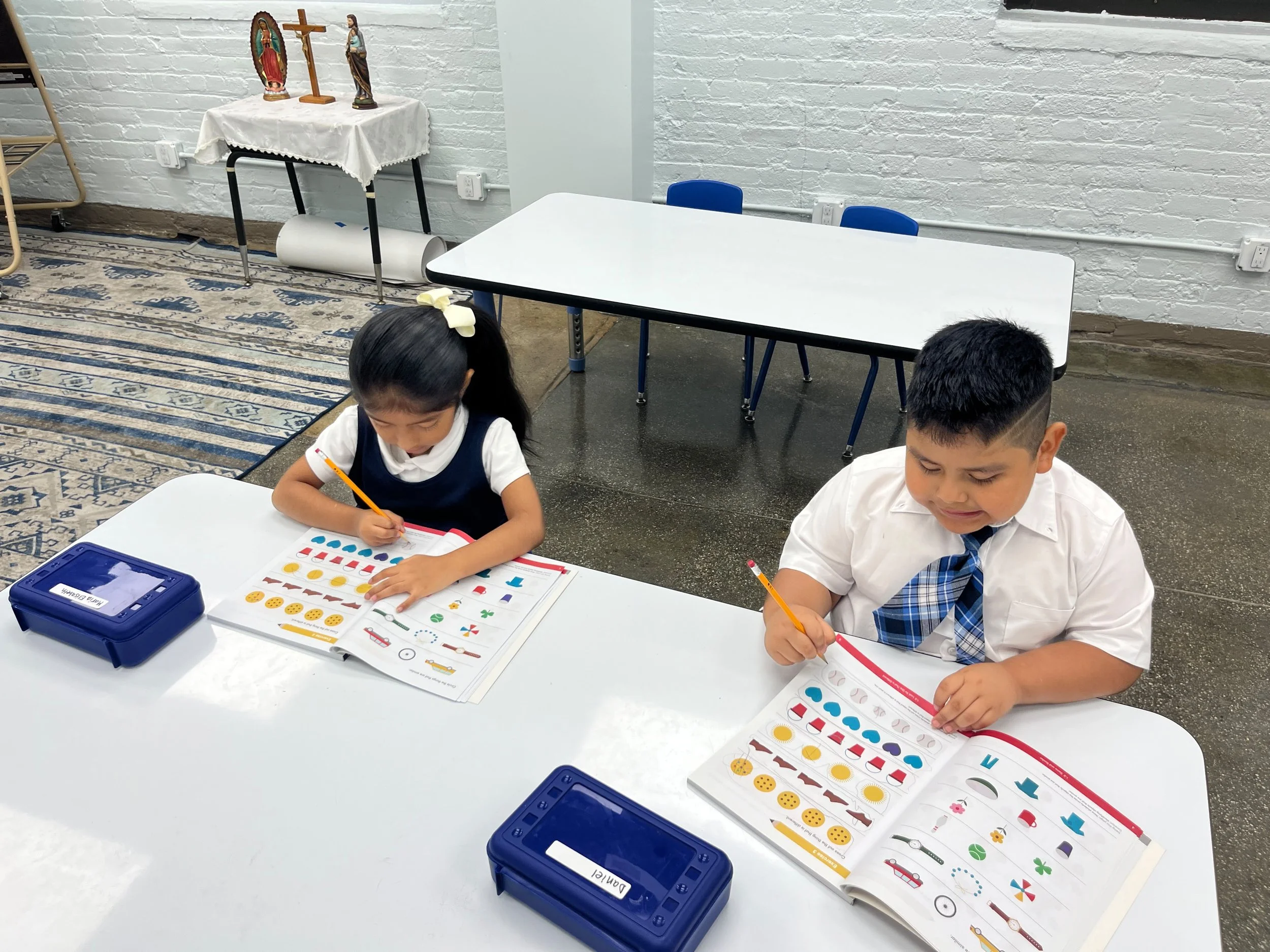
First, we should determine how we daily give ourselves to God. When and where are our times for family prayer? Do we say the rosary as a family? When and where does each individual member of the family pray each day? This not only is our duty to God, but it strengthens the family. Beyond the family’s communal prayer, each individual family member has this obligation and should have the freedom to establish the daily rhythm of his own devotions. Secondly, families have difficult schedules. Between picking up the kids and driving them to practices or various activities, it is a real challenge to hammer down an ordered existence. In this, each family will have to ascertain its own circumstances and make a call, but the importance of regularity and predictability of the family dinner at home should be the bedrock of this type of ordering of the day. Make the dinner special and not a race to see who’s finished first. This most certainly requires the patience of mom and dad (especially after a long day of work) and the necessity of putting the phones away. Finally, limit the technology during a set homework time. If there is one habit for our children for which we should be relentless in our attempts is the cultivation of silence or quiet for sustained work or reading.
I have no illusions that all of these things will be done imperfectly. (However, if you do pull it off perfectly, tell Sister and you can write this article next year!) And yet, if you give it a shot, I suspect that there will be more order in the home and that there will be a certain amount of tranquility in your families during this school year. Come to think of it, “the tranquility of order” is the very definition of peace.
John M. DeJak is the Director, Secretariat of Catholic Education for the United States Conference of Catholic Bishops.