Why Read John Senior Today?
There are some writers who do not merely offer arguments, but diagnoses. John Senior is one of them.
When I first encountered his work, I was struck not simply by his critique of modern education, but by his insistence that culture itself is something living — something fragile enough to die, and beautiful enough to restore. Senior understood that the crisis of modernity is not primarily political or economic. It is spiritual and cultural. We have forgotten how to see reality.
Who Was John Senior?
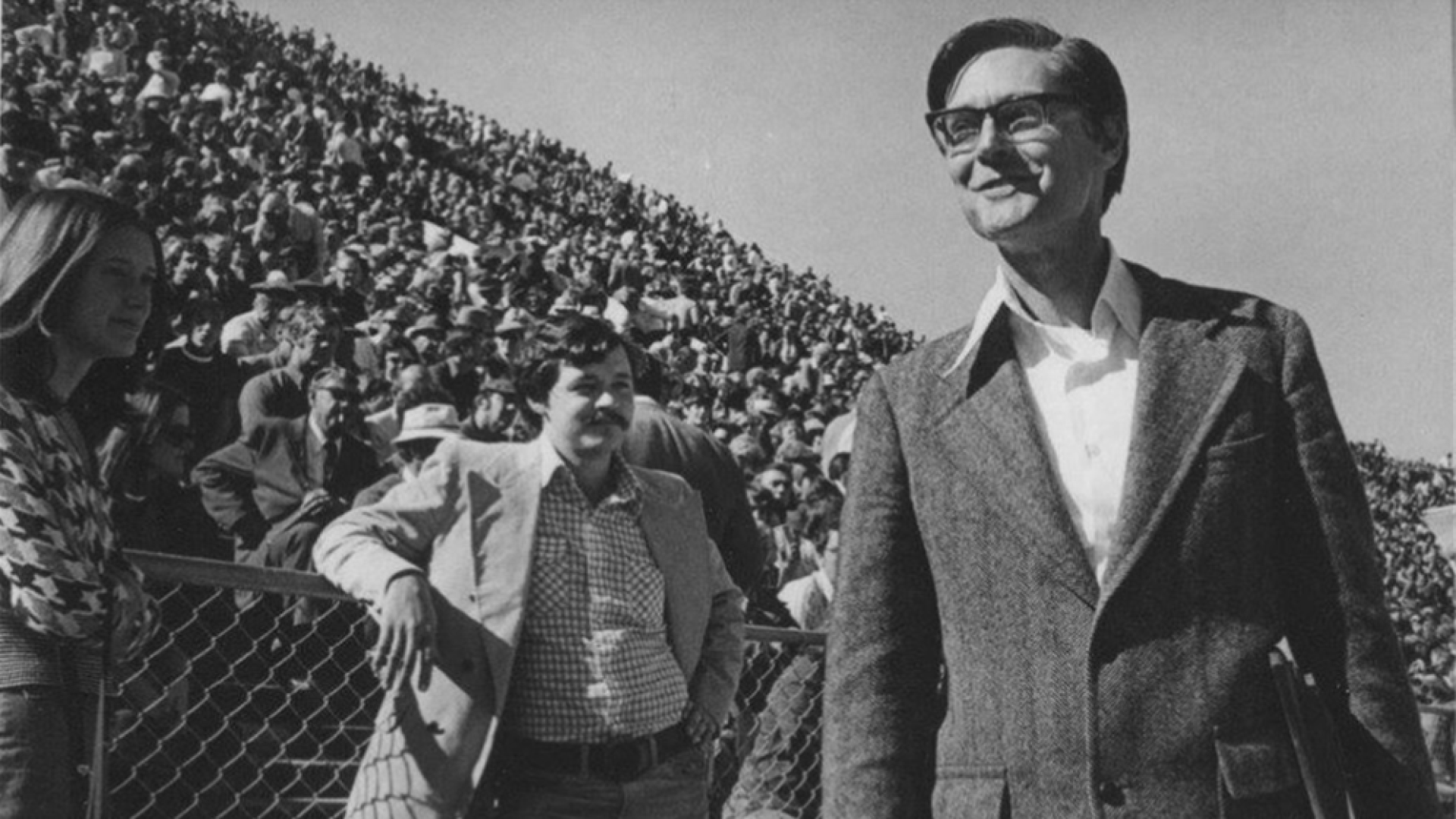
Few people have influenced the renewal of classical Catholic education in America as profoundly as John Senior, though many Catholics today may not recognize his name.
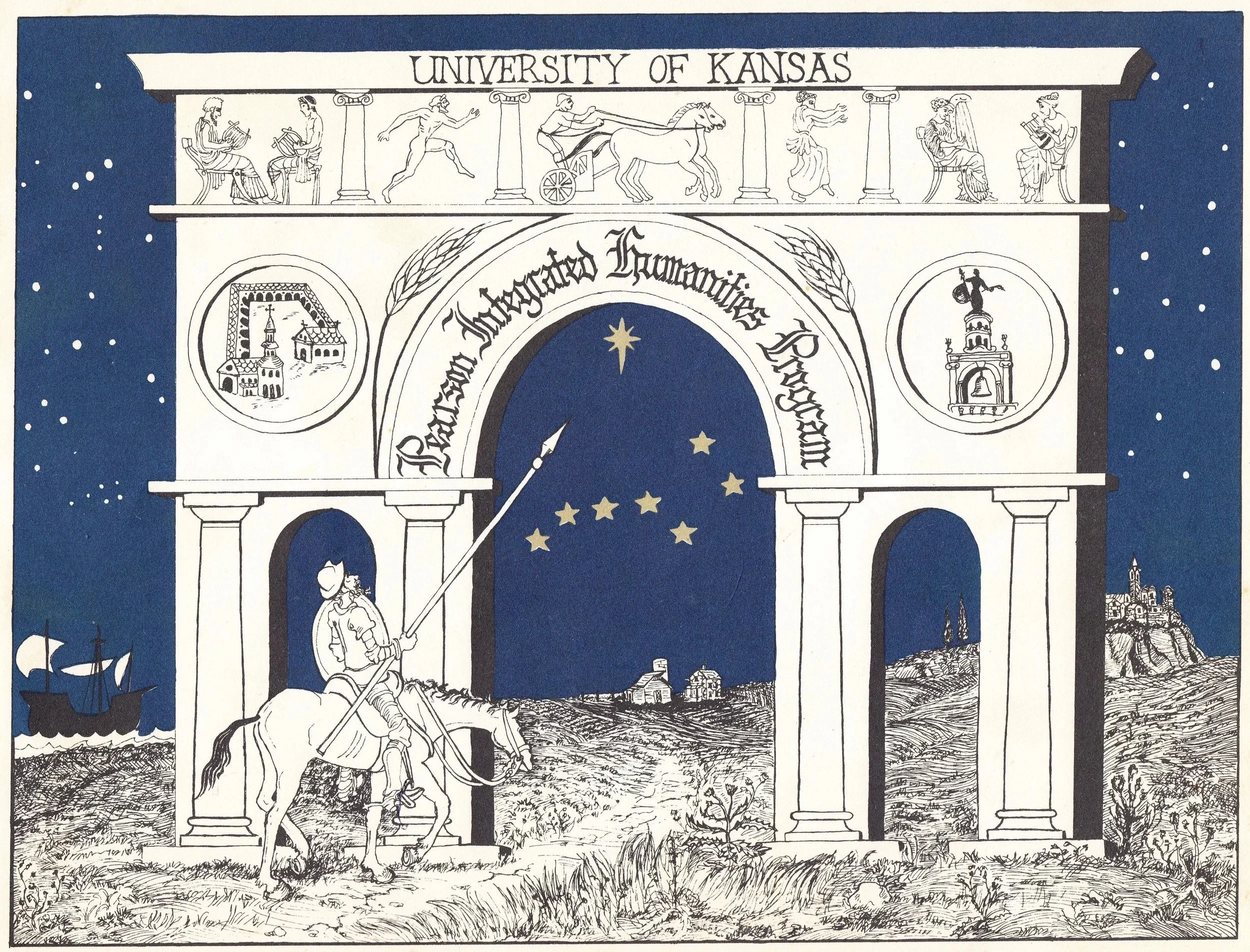
Born in 1923, Senior served in the United States Navy during the Second World War before pursuing a life dedicated to literature, philosophy, and education. He eventually became a professor of English at the University of Kansas, where he helped establish the now-famous Integrated Humanities Program alongside his colleagues Dennis Quinn and Frank Nelick.
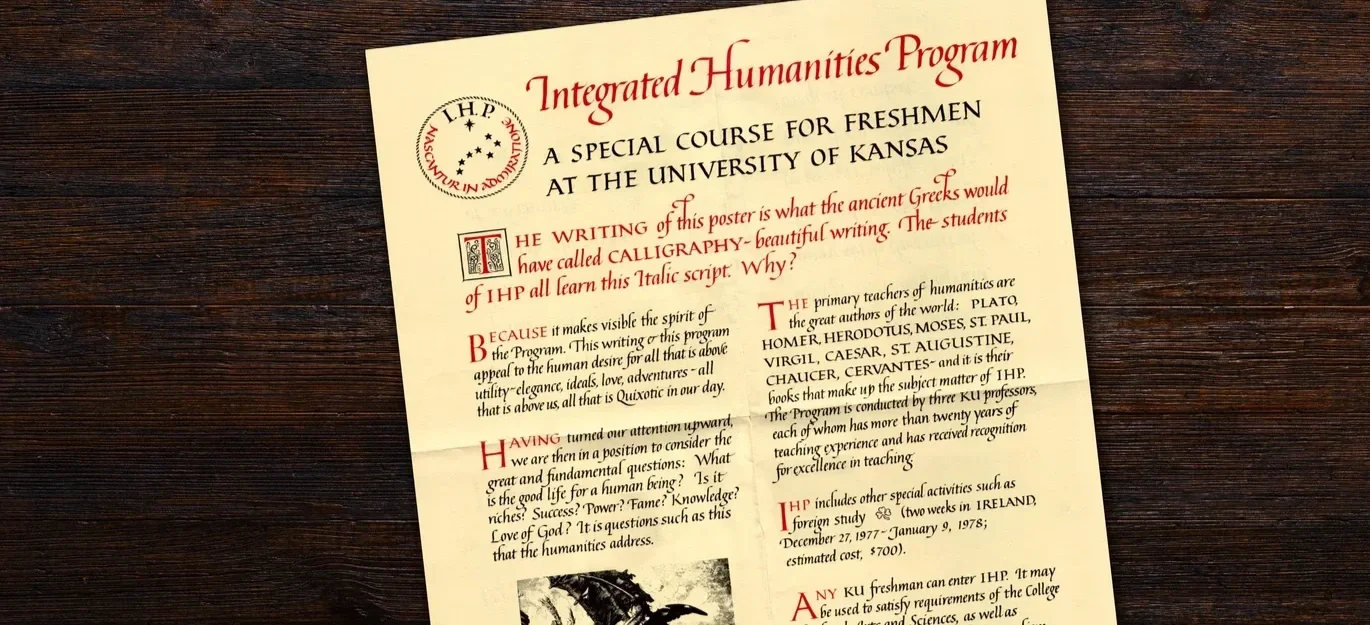
The program was unlike anything found in most universities. Rather than treating education as merely the acquisition of information, Senior sought to awaken wonder. Students read great books, memorized poetry, observed the stars, listened to classical music, learned folk dances, and encountered the permanent questions of human existence. The goal was not simply to produce educated students, but fully alive human beings.
What made the program remarkable was its fruit. Many students experienced profound conversions to the Catholic faith. Others discovered religious vocations, marriages rooted in faith, and a renewed sense of purpose. Senior often insisted that these conversions did not come through argument alone, but through the recovery of reality itself. Before people can believe, they must first learn to wonder.
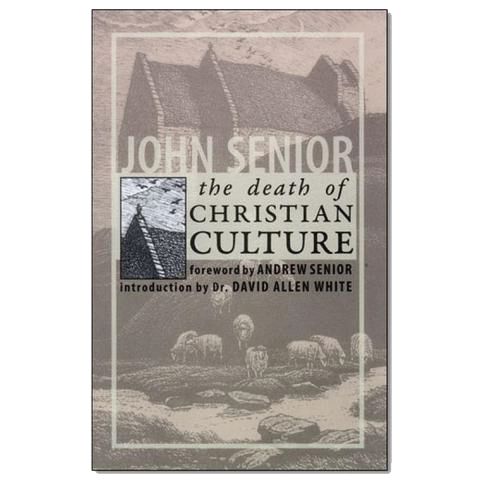
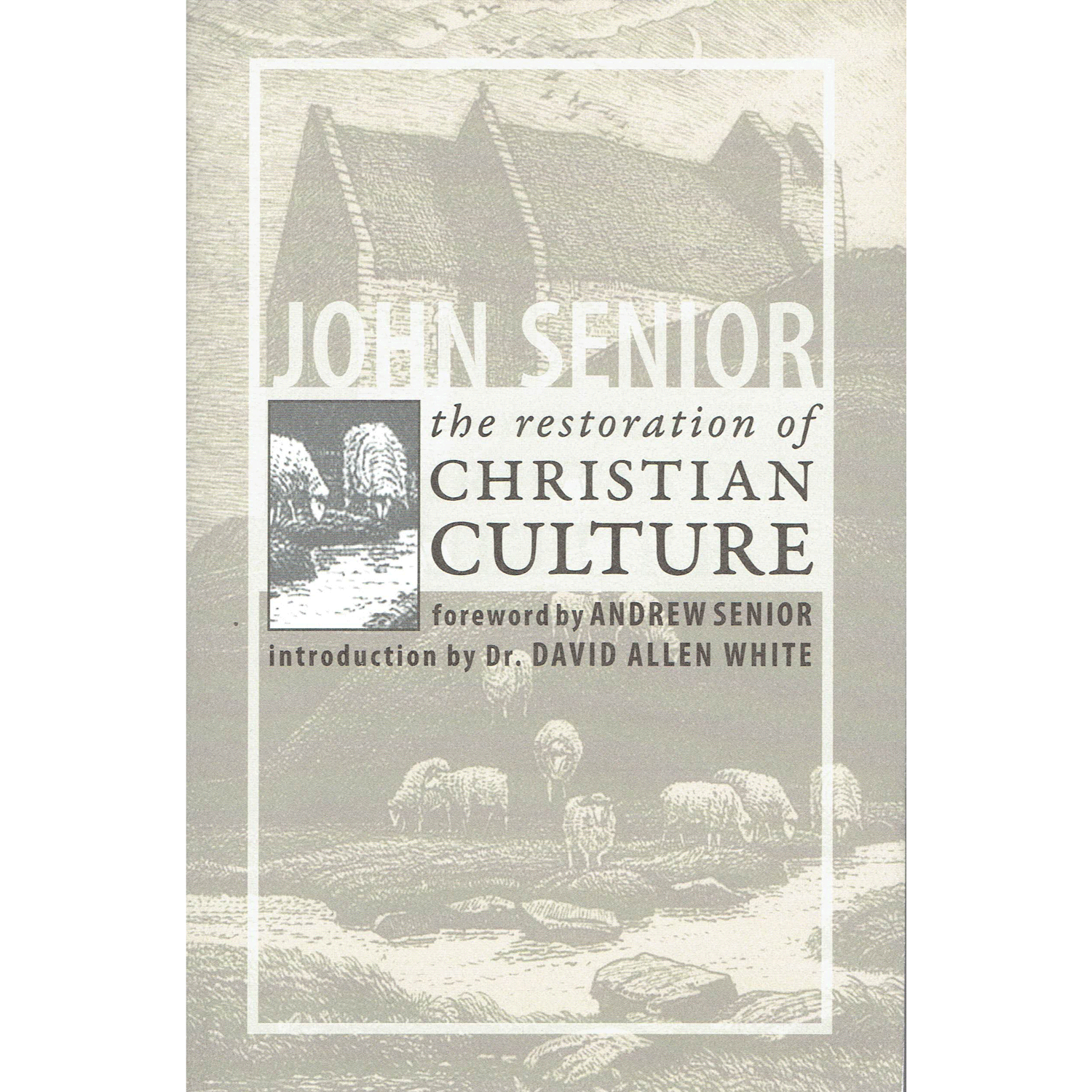
In later years, Senior turned his attention to the cultural crisis facing the modern world. His most influential works, The Death of Christian Culture and The Restoration of Christian Culture, argue that the deepest problems of our age are not primarily political or economic but cultural. We have forgotten how to contemplate, how to delight in beauty, how to rest, how to raise children, and ultimately how to recognize the world as a gift from God.
Though he died in 1999, Senior's influence continues to grow. Much of the contemporary revival of classical education, Catholic liberal arts schools, homeschooling movements, and renewed interest in Christian culture can be traced, directly or indirectly, to his thought.
Perhaps his greatest insight was a simple one: before a civilization can be restored, people must recover wonder. Before children can understand truth, they must first learn to love it. Before faith can flourish, the imagination must once again become capable of seeing the world as enchanted by the presence of God.
For those of us engaged in the work of Catholic education, John Senior remains not merely an author from the past, but a companion and guide for the work that lies before us.
Conclusions
Our age is full of information and starving for wisdom. We are connected constantly and yet profoundly lonely. We are entertained endlessly and yet incapable of rest. We have schools everywhere, but fewer places where wonder is cultivated.
Senior believes that Christian culture begins long before theology textbooks. It begins with nursery rhymes, family meals, silence, music, poetry, gardens, feast days, stars in the night sky, and children learning to love what is good and beautiful before they can fully explain it.
This is why his work matters today.
Christian culture is not restored first through programs or strategies. It is restored whenever people begin to recover the habit of contemplation. Whenever a child memorizes a poem. Whenever a family prays together. Whenever a school chooses truth over utility and beauty over efficiency.
A civilization is lost when it forgets what it is for.
And perhaps it begins to return when it remembers again how to wonder.